
Skin tightening is one of the easiest services to sell badly.
Not because the technology is ineffective, but because patients use “tightening” as a catch-all phrase for a wide range of concerns.
One person means laxity and definition. Another means crepey texture. Another means dullness, pores, or “my skin just looks older”. For clinic owners, that matters. If your device choice only suits one version of “tightening”, you either end up forcing consultations into the wrong pathway or turning away good-fit patients.
The most profitable tightening strategies don’t rely on a single hero modality; they build a menu that reflects patient expectations, downtime preferences, and your clinic’s commercial model.
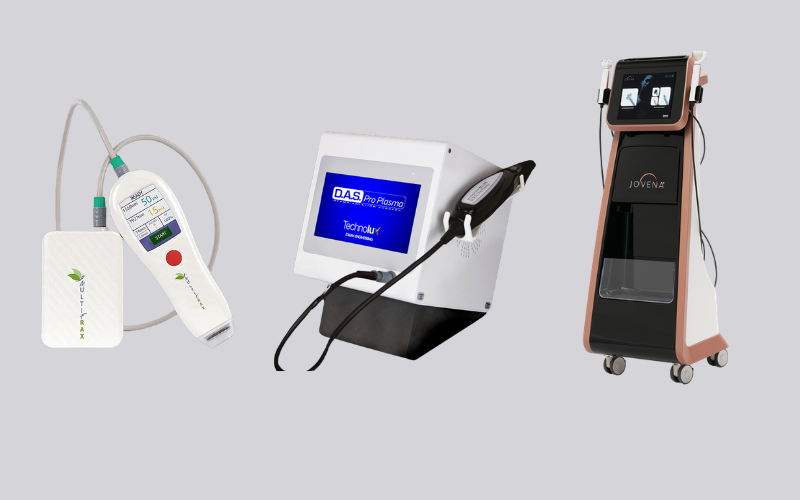
Below, we’ll look at the three most common technology routes clinics compare: RF, plasma-based approaches, and fractional laser, and how to consider them when you’re choosing equipment.
What “Professional Skin Tightening” Actually Means in a Clinic Context
In clinic terms, tightening isn’t a single appointment. It’s a controlled remodelling process.
Most professional technologies aim to create some combination of:
- Immediate fibre contraction (early “snap-back”)
- Collagen remodelling over weeks (the real change)
- Skin quality improvement (texture, tone, pores, fine lines)
- Structural support (where deeper layers matter)
So the decision isn’t “What’s the best technology?”
It’s:
Which layer are we treating, what’s the patient’s downtime tolerance, and how does this fit your pricing + utilisation plan?
Why Clinics Get Skin Tightening Results Wrong (even with Good Devices)
The majority of unsatisfactory tightening results are driven by mismatched patient selection and mismatched messaging, not “bad technology”. If the patient wants visible texture refinement but you deliver a primarily structural remodelling plan, they can feel let down right away.
If the patient expects a lift-like change from a skin-quality pathway, they may conclude “it didn’t work” before the remodelling phase has had time to do its job.
Your consultation process should divide “tightening” into two categories: structure-related concerns (definition and laxity) and skin-quality concerns (texture, tone, and surface ageing).
When you structure your treatment menu around those categories, it becomes far easier to recommend the right modality confidently, and to package treatment plans in a way that drives utilisation rather than one-off appointments.
Discover Our Skin Tightening Devices
RF vs Plasma vs Fractional Laser: What Each Modality is Typically Best At
RF Skin Tightening: When Laxity is the Headline
RF is often your first shortlist when the complaint is softening, loss of definition, and “I want lift”.
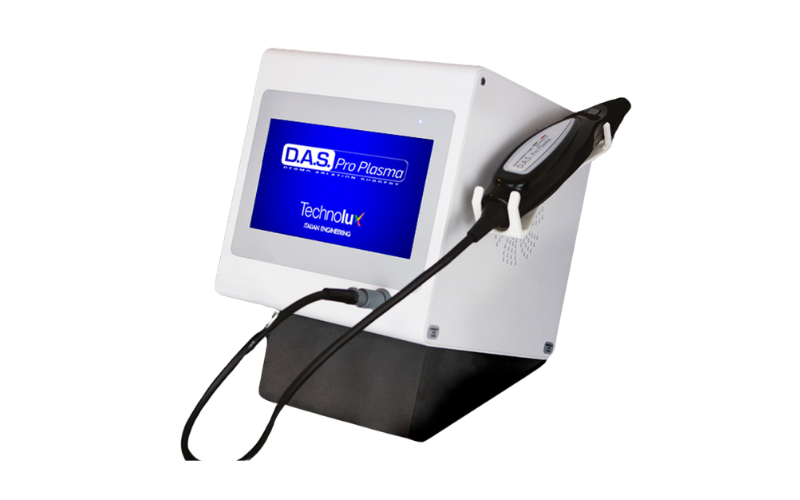
InLift with ThermaDAS Endolifting is designed for targeted dermal or subdermal (beneath the skin) heating delivered via a micro-cannula (tiny hollow tube) approach. It focuses on firming and remodelling in areas where structure and definition matter most.
Typically strongest for:
- Jawline softening and lower-face definition
- Midface support and patterns of sagging around the mouth
- Clients seeking a premium tightening pathway without a surgical route
Commercial angle: higher-ticket tightening consults that convert well when laxity is the primary concern.
Discover InLift with ThermaDAS Endolifting
Plasma-Based Tightening: When “Tightening” Really Means Regeneration + Refinement
Plasma shines when your typical patient is mainly focused on improved skin quality.
More even texture. Fresher tone. That slightly crepey look improving over time.
A system that gives your team protocol flexibility is often the winner here.
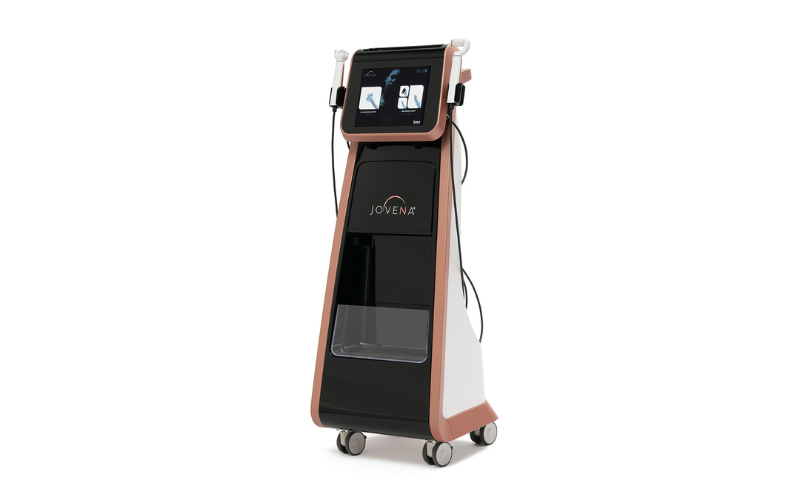
Jovena® combines Fractional Plasma® with RF DiatermoContraction® via FACESTIM for non-invasive facial tone support, allowing you to build layered plans based on indication and downtime appetite.
Typically strongest for:
- Complete skin regeneration (dermal remodelling, epidermal resurfacing and muscle restoration).
- Clinics wanting year-round protocols (not just one seasonal treatment)
- Treatment journey building (phased improvement rather than a one-off)
Commercial angle: great for packages and retention because it supports multiple concerns and patient types.
Fractional Laser Skin Tightening: When Texture + Surface Change Drives the “Tightening” Perception
Fractional laser enters the conversation when tightening is being asked for… but the real driver is:
Fine lines. Pores. Scarring. Sun damage. Pigment. Texture. Age-related concerns.
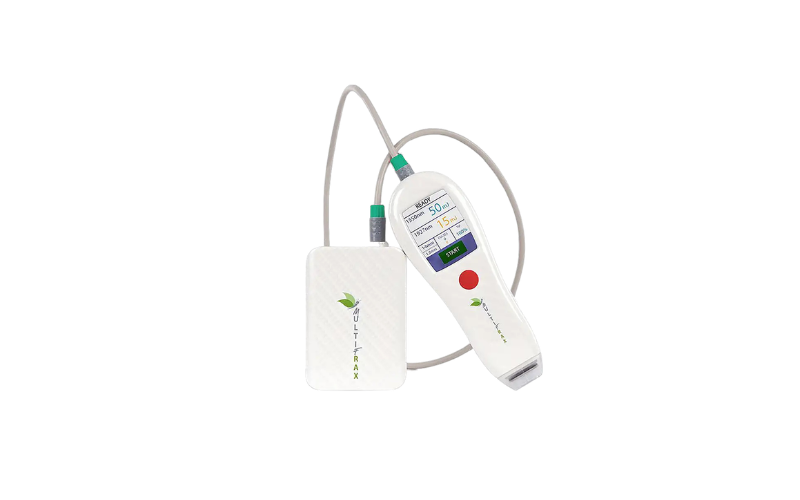
MultiFrax™ is a portable, dual-wavelength non-ablative fractional laser (1550nm / 1927nm) designed to target broad rejuvenation indications, including texture, stretch marks, pigment-led ageing, fine lines, pores, and scarring.
Typically strongest for:
- Texture-driven rejuvenation plans where resurfacing is the hero
- Acne scarring and visible ageing patterns alongside firmness
- Clinics wanting a clear “before/after” story grounded in skin quality change
Commercial angle: strong demand for a range of sessions, with visible gains that support premium pricing.
Downtime and Expectation-Setting: the Quiet Driver of Five-Star Reviews
Downtime isn’t only about how red someone looks walking out of the clinic. It’s about how you build trust in the consultation and how you position results responsibly.
Some patients will gladly accept visible post-treatment signs if they believe the trade-off is a significant skin-quality change. Others will only commit if they can return to work and social plans without question.
The most effective tightening pathways are presented as a journey with a timeline. Clinics that convey “you’ll see early changes, but remodelling builds over the following weeks” typically have higher satisfaction rates, because they’ve matched expectation to biology. It also protects your team from the most common post-treatment objection: “I expected it to be instant.”
From a business perspective, your downtime positioning directly impacts your diary. Lower-disruption treatments support steady weekly utilisation, while higher-impact pathways can be premium-priced and packaged as transformations. Both can be profitable, but only if the messaging is clear.
Operational Factors that Affect ROI More than the Spec Sheet
Clinic owners often evaluate devices by headline claims and clinical outcomes, but ROI is usually determined by operational realities.
Training matters because it affects how quickly your team can deliver consistent treatments, how confidently they handle consultations, and how well they manage patient expectations.
Protocols are important as they determine whether the device is a “sometimes” purchase or a weekly workhorse. The more your team can follow a consistent pathway (consult → plan → treatment → review → maintenance), the more predictable your utilisation becomes.
Consumables, servicing, and downtime planning matter because they influence true cost-per-treatment and diary efficiency.
When purchasing a device from us, we provide comprehensive training and support to ensure your team can maximise utilisation, patient satisfaction, and revenue as soon as possible.
Closing Thought: Choose the Modality that Fits your Clinic
The RF vs plasma vs fractional laser debate only becomes confusing when it’s framed as a winner-takes-all comparison. In practice, each modality can be the “best” choice depending on whether the patient is structure-led, skin-quality-led, or looking for a blended journey.
If you want AMP UK to help you shortlist the most sensible route, the quickest way is to map your patient demand and downtime tolerance first, then match technology to the lane it will actually serve in your clinic.
Get in touch with us for more information. We will be happy to help!